Category Archives: Articles

Bridging Cultures and Hearts: Zoe Creelman's Journey in the Missionary Truck

Bridging Cultures and Hearts: Zoe Creelman’s Journey in the Missionary Truck

In the vast expanse of the Northern Territory, where dusty roads wind through remote communities, Zoe Creelman dedicates herself to a mission that extends beyond geographical boundaries. As a devoted member of the Church Missionary Society (CMS), Zoe’s mission revolves around building bridges of understanding, nurturing relationships with Indigenous church leaders, and learning the intricate nuances of the Kriol language. In this article, we shed light on the pivotal role played by Zoe’s faithful missionary truck in her daily activities, as it becomes a symbol of unity and outreach in this remote region.

Learning Kriol and Building Relationships

Zoe’s mission centers on the Northern Territory, specifically in Ngukurr and its surrounding areas. Her commitment to understanding and respecting the local culture is reflected in her efforts to master the Kriol language, an essential tool for connecting with the Indigenous community. Beyond words, Zoe strives to build meaningful relationships with Indigenous church leaders, acting as a bridge between cultures and generations.

The Missionary’s Truck: A Lifeline in the Outback

The Missionary's Truck: A Lifeline in the Outback

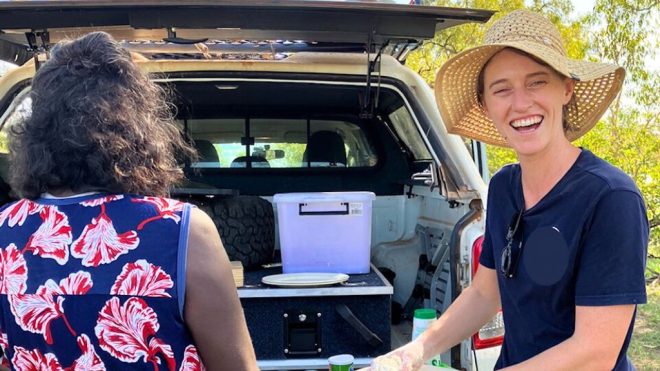
Zoe’s missionary truck is not just a mode of transportation; it is a lifeline for the community. It provides essential mobility, allowing her to cover thousands of kilometers each year and serve as a vital link between communities. This sturdy 4WD vehicle is commonly referred to as a “truck” in the bush, highlighting its indispensable role in remote life.

Conversations that Bridge Gaps

Despite occasional frustrations, Zoe values the hours spent driving around Ngukurr and interacting with the community. These journeys offer precious opportunities for conversations that span a wide spectrum of topics. Language lessons, family trees, and the intricacies of Indigenous kinship systems become fascinating points of discussion during these rides.

Cultural Insights and Heartwarming Moments

As Zoe navigates rough roads and challenging terrain, her truck becomes a hub for cultural exchange and storytelling. Passengers, including her adopted mother and friends, share their life stories, providing a rich tapestry of experiences. Sing-a-longs and shared laughter create a lighthearted atmosphere, while requests for music, even Celine Dion’s “My Heart Will Go On,” add humor and heartwarming moments to the journey.

Fostering Understanding and Friendship

Zoe’s daily routine is a testament to her dedication as a church support worker, bridging cultural gaps, and nurturing connections in the Northern Territory. Her missionary truck is not just a means of transportation; it is a symbol of unity, outreach, and companionship. Zoe’s experiences in this faithful vehicle illustrate the challenges and rewards of her mission work, emphasizing the importance of meaningful relationships in the remote communities she serves. In the vast Australian outback, Zoe Creelman’s missionary truck stands as a beacon of hope and understanding.

The Heart of Effective Missionary Care

The Heart of Effective Missionary Care

In the exhilarating journey of global missions, the role of churches is often misconstrued as merely reaching the finish line when members are sent to distant lands. However, this perception diminishes the essence of a partnership that is meant to begin, not end, with sending. Missionary care is the thread that weaves this partnership together, and its significance cannot be overstated.

Member Care: The Backbone of Missions

To ensure the well-being of missionaries and the efficacy of their endeavors, member care emerges as a pivotal concern for churches. The scriptural call to faithfulness in the Great Commission is intrinsically tied to the sending and supporting of missionaries. The sacred text resounds with the responsibility of the local church in setting apart, sending, and nurturing these emissaries of faith.

Churches must recognize that sending members to the ends of the earth is not the finish line but the commencement of a profound partnership. This partnership embodies the commitment of the church to journey alongside its sent members, providing comprehensive care throughout the missionary’s expedition.

Embarking on the Journey of Care

The scriptures are not silent about the church’s active role in missionary care. Passages like 3 John 5-8, Philippians 2:25-30, and Acts 14:26-28 resoundingly emphasize this role. These passages underscore that the journey of care encompasses three distinct stages: pre-field, on-field, and post-field.

Pre-Field: Crafting the Foundation
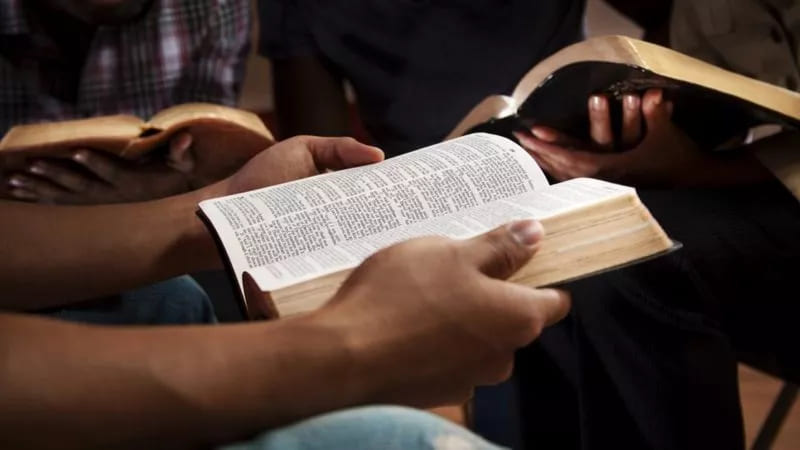
Pre-Field: Crafting the Foundation

Preparing missionaries for their calling involves meticulous attention to their readiness, calling, character, and competency. Crafting personalized development plans becomes a compass in navigating this preparation, aligning individuals with the perfect ministry fit. This pre-field stage is where the foundation of effective care is laid.

Churches should proactively engage with missionaries and agencies during the pre-field stage. Assessing their readiness, addressing any concerns, and ensuring a harmonious ministry fit are crucial steps in establishing a strong foundation for the mission. This stage is not just about preparing for the task at hand but also about nurturing the missionary’s personal and spiritual growth.

On-Field: The Power of Prayer and Partnership

Prayer is more than a tool for supporting missions; it is an essential element of on-field care. It creates communal bonds within the church and cultivates awareness of the challenges and triumphs of missions work. Moreover, forming advocacy teams becomes a practical embodiment of on-field care, fostering ongoing support through intimate relationships between church members and missionaries.

The importance of prayer cannot be overstated. It not only sustains missionaries in their work but also strengthens the connection between the church and the mission field. When churches commit to consistent and fervent prayer for missionaries, they become active participants in the mission, sharing in both the burdens and the joys.

Post-Field: Guiding the Return

As missionaries return from the field, the church’s care takes on new dimensions. Re-entry care is essential, acknowledging the diversity of needs and circumstances. Debrieifing becomes a therapeutic avenue, allowing missionaries to unload the burdens accumulated during their service. Furthermore, reintegrating them into the church involves creating clear avenues for ministry and establishing healthy boundaries.

Missionaries returning from the field often face unique challenges as they readjust to life in their home country. This transition can be emotionally, spiritually, and practically demanding. Churches should provide a safe and supportive environment where missionaries can process their experiences, share their challenges, and receive the necessary support to navigate this re-entry phase.

Holistic Care: A Symphony of Support

Holistic Care: A Symphony of Support

A comprehensive missionary care strategy harmonizes all three stages – pre-field, on-field, and post-field. Churches need to identify individuals with strong relationships to lead in this endeavor. By developing a strategy, churches can labor alongside missionaries, holding the rope as they courageously embrace their calling.

A holistic missionary care strategy is a living testimony of the church’s commitment to the Great Commission. It is not a passive endeavor but an intentional and purposeful one. This strategy involves ongoing assessment, planning, and adaptation to ensure that the missionaries’ needs are met effectively at every stage of their journey.

Sustaining the Torch of Support

Missionary care is not a mere phase; it is a commitment that stands as a testament to the church’s genuine involvement in the Great Commission. Providing ongoing care and support ensures that missionaries continue to stand firm in sharing Christ’s gospel around the world. It affirms the church’s role in holding the rope, steady and unwavering.

The church’s involvement doesn’t end with sending missionaries; it includes ongoing care and support. Just as Paul recognized the vital role of the Philippians in supporting Epaphroditus, churches should continually uphold missionaries in prayer, communication, and practical assistance. This sustained support ensures that missionaries remain resilient, focused, and effective in their mission work.

A Sacred Partnership

In conclusion, missionary care bridges the gap between the sending of missionaries and their service in distant lands. It is a tangible, visible, and vital expression of the church’s participation in the Great Commission. Churches must rise to the occasion, embracing their role in nurturing, supporting, and equipping those who have been called to share the gospel in the far reaches of the earth. Through missionary care, churches not only fulfill their mandate but also establish enduring partnerships that resonate with the heart of Christ’s mission. It is in the delicate art of care that the church embodies its true identity as a community bound by faith, compassion, and a shared purpose.

Pastoral Studies: Nurturing Spiritual Growth and Leadership

Pastoral Studies: Nurturing Spiritual Growth and Leadership

Pastoral studies, a vital component of theological education, play a significant role in nurturing spiritual growth and leadership within religious communities. Rooted in a rich history of guiding, teaching, and mentoring, pastoral studies empower individuals to develop their spiritual selves while equipping them with leadership skills to guide and serve others. In this article, we will delve into the essence of pastoral studies, exploring its impact on spiritual development and leadership formation. We will also discuss key principles and practices that underpin effective pastoral education and highlight the relevance of this field in today’s ever-changing world.

Spiritual Formation

At the heart of pastoral studies lies the concept of spiritual formation. This process entails the intentional and holistic development of an individual’s spirituality, fostering a deeper connection with the divine and a greater understanding of one’s purpose in the world. Through contemplative practices, study of sacred texts, and engagement in meaningful dialogue, pastoral studies facilitate an individual’s journey towards self-discovery and a more profound relationship with the transcendent. By encouraging self-reflection and introspection, pastoral education lays the foundation for genuine spiritual growth that extends beyond mere religious rituals.

Leadership Development

Pastoral studies go hand in hand with leadership development, nurturing individuals who are not only spiritually grounded but also equipped to lead with compassion and wisdom. Leadership within a religious context requires a unique set of skills – the ability to inspire, guide, and support a diverse congregation. Pastoral education cultivates these skills by emphasizing effective communication, conflict resolution, and ethical decision-making. Aspiring leaders learn to balance the demands of their roles while remaining attuned to the needs of their communities. This integrated approach to leadership ensures that individuals are prepared to navigate the challenges of shepherding a congregation in a rapidly evolving world.

Pastoral Care

Pastoral Care

Central to pastoral studies is the concept of pastoral care – a ministry of presence that provides emotional, spiritual, and practical support to individuals facing life’s trials and tribulations. Pastoral care encompasses a compassionate response to suffering, grief, and joy, offering a safe space for individuals to share their experiences and seek guidance. Through active listening, empathy, and pastoral counseling, students of pastoral studies learn to foster healing and resilience within their congregations. By honing their pastoral care skills, future leaders become adept at walking alongside others on their spiritual journeys, promoting a sense of belonging and community.

Theological Education

Pastoral studies are deeply rooted in theological education, where individuals engage with sacred texts, theological concepts, and historical traditions. A strong theological foundation equips pastoral students with a nuanced understanding of their faith, enabling them to engage in thoughtful discourse and address complex theological questions. Moreover, theological education fosters critical thinking, helping future leaders navigate the intersection of faith and contemporary issues. By grappling with theological complexities, pastoral students emerge as well-rounded leaders who can offer guidance that is both spiritually grounded and intellectually informed.

Relevance in Today’s World

In an era marked by rapid change and cultural diversity, the relevance of pastoral studies is more pronounced than ever. Religious leaders are called upon to navigate complex societal issues, provide moral guidance, and promote inclusivity within their congregations. Pastoral education equips individuals with the tools to engage in constructive dialogue, bridge cultural divides, and address contemporary challenges through a lens of compassion and understanding. As spiritual guides and community leaders, graduates of pastoral studies play a crucial role in fostering harmony and resilience in a world that is constantly evolving.

Nurturing Guiding Lights for an Ever-Changing World

Pastoral studies stand as a beacon of spiritual growth and leadership formation within religious communities. Through its emphasis on spiritual formation, leadership development, pastoral care, and theological education, this field equips individuals to navigate the intricate landscape of faith and guide others on their spiritual journeys. As the world continues to change, the importance of pastoral studies remains steadfast, ensuring that future religious leaders are well-prepared to meet the needs of their congregations with wisdom, compassion, and grace. In embracing the principles of pastoral studies, we nurture not only our own spiritual growth but also the growth of the communities we serve.

Church Missionary News: Impacting Lives Around the World

Church Missionary News: Impacting Lives Around the World

In a rapidly changing world, the role of the Church in spreading the message of hope, love, and compassion remains as crucial as ever. The mission to impact lives around the world is at the heart of every pastor’s calling. Through a strong commitment to their faith and the communities they serve, pastoral educators are shaping the future of the Church and bringing positive transformation to diverse corners of the globe. In this article, we will explore the incredible work being done by these individuals and the powerful impact they have on the lives of people across cultures and continents.

Empowerment through Education

One of the primary roles of pastoral educators is to empower individuals with knowledge and spiritual guidance. Education plays a pivotal role in this process, equipping people with the necessary tools to navigate life’s challenges. Through schools, workshops, and mentoring programs, pastoral educators help individuals develop a deeper understanding of their faith, personal values, and their place in the world.

In regions where access to quality education is limited, the Church’s efforts become even more significant. By establishing schools and promoting literacy initiatives, pastoral educators contribute to breaking the cycle of poverty and create a pathway to a brighter future for many underserved communities.

Building Strong Communities

The Church has always been a source of unity and cohesion for communities around the world. Pastoral educators play a pivotal role in building and strengthening these bonds by encouraging collaboration, compassion, and support among members. They facilitate programs that promote social engagement, inclusivity, and acceptance, fostering a sense of belonging for individuals from all walks of life.

Through their teachings, pastoral educators inspire community members to work together towards common goals. These efforts have the potential to bring about positive change not only within the Church but also within the broader society as the principles of love and understanding extend beyond religious boundaries.

Tackling Global Challenges

As the world faces an array of pressing challenges, the mission of the Church becomes increasingly vital. From poverty and inequality to environmental issues and humanitarian crises, pastoral educators are at the forefront of tackling these global problems. They inspire individuals to take action, encouraging them to be compassionate and actively involved in addressing the needs of others.

Churches often engage in outreach programs, providing aid and support to vulnerable populations, whether it be through disaster relief efforts or long-term development projects. By addressing global challenges head-on, pastoral educators demonstrate the true essence of their faith and inspire others to do the same.

Spreading Love and Hope

At the core of the Church’s mission lies the message of love and hope. Pastoral educators are instrumental in spreading these values far and wide, offering comfort and guidance to those in distress. Through sermons, counseling sessions, and various outreach initiatives, they impart hope to the downtrodden and encourage love as a transformative force in people’s lives.

By embodying the values they preach, pastoral educators become beacons of light in their communities. Their acts of kindness and empathy serve as powerful examples, inspiring others to follow in their footsteps and make a positive impact in the lives of those around them.

Illuminating the Path Towards a Better Tomorrow

The work of pastoral educators resonates far beyond the walls of their churches. With a steadfast commitment to empowerment, community-building, addressing global challenges, and spreading love and hope, these individuals play a pivotal role in impacting lives around the world.

As they continue to teach, guide, and inspire, pastoral educators exemplify the true essence of the Church’s mission. Their efforts pave the way for a brighter future, one where people from different backgrounds come together to build a more compassionate, understanding, and inclusive world. The stories of transformed lives and thriving communities stand testament to the enduring impact of these dedicated individuals on a global scale. Through their unwavering dedication and love for humanity, pastoral educators prove that the mission of the Church is as relevant and crucial as ever in today’s ever-changing world.

Equipping the Spanish-Speaking World: A Journey of Faith and Education

Equipping the Spanish-Speaking World: A Journey of Faith and Education

In 2018, our family, comprised of Stef, myself, and our three children, embarked on a life-changing journey as we packed our bags and moved to Santiago, Chile. What led us to this decision? It all began with a serendipitous encounter with a group of visiting missionaries at our church. Their stories and experiences sparked a profound interest in the Spanish-speaking world and ignited our passion for the ministry of MOCLAM. Driven by a deep desire to train God’s people to read and understand His word in the Spanish-speaking context, we left our home in Australia, armed with minimal Spanish skills, three kids in tow, and 11 suitcases filled to the brim with English books.

Bridging the Language Gap

Our arrival in Chile marked the beginning of a remarkable journey of adaptation and growth. While we faced the challenges of adjusting to a new culture and language, our mission as CMS missionaries in Latin America fueled our determination to serve. Our focus lies in theological education, church leadership, and student ministry, all of which contribute to the development of the local church and the Spanish-speaking community.

Unveiling the Big Picture

A fundamental aspect of our work involves conducting Bible overview workshops. These workshops serve as a pivotal tool in helping students see the grand narrative of the Bible. By grasping the panoramic view, students can understand how God’s plans revolve around Jesus Christ. It is in these workshops that we witness remarkable transformations, such as the “aha” moment experienced by a female student who recognized the profound connection between the Old Testament and the New Testament. Such encounters reinforce our conviction in the transformative power of biblical knowledge.

A Call for Resources and Seminaries

Within the Latin American Spanish-speaking context, MOCLAM courses have a distinct emphasis on biblical theology. This focus enhances students’ understanding of Scripture, providing a solid foundation for their faith. However, we recognize the need for more Spanish resources and seminaries that actively promote and exemplify reading the Bible with Christ at the center. We fervently pray for the rise of such resources and institutions, as they will play a pivotal role in equipping the Spanish-speaking world with sound biblical education.

Inspiring Future Leaders

One of the most fulfilling aspects of our work is the opportunity to train future pastors and leaders through MOCLAM courses. By instilling a deep understanding of Scripture and biblical theology, we are nurturing a generation of individuals who will guide and shape the Church. Additionally, we actively engage with students and staff within GBU, the IFES ministry in Chile, striving to cultivate a love for God’s word and a passion for its application within the university campus.

A Vision for Transformation

As we walk by faith, our family’s longing is to see a world that truly knows Jesus. Our mission as pastoral educators and writers revolves around equipping God’s people to read His word and respond in faith. Through our focus on the Spanish-speaking world and the ministry of MOCLAM, we are committed to fostering a deep understanding of Scripture, encouraging the development of biblical theology resources, and inspiring a new generation of leaders who will impact their communities. We express deep gratitude for the invaluable resources of biblical theology that we currently have access to and pray for an abundance of such resources and seminaries that will exemplify reading the Bible with Christ at the center. Together, let us strive towards a future where Spanish-speaking individuals are equipped with a profound knowledge of Scripture, and the unifying theme of God’s kingdom resonates throughout the Spanish-speaking world and beyond.

Remembering Walker Moore: A Beloved Missionary Leader and Writer

Remembering Walker Moore: A Beloved Missionary Leader and Writer

The passing of Walker Moore, a Cherished Southerly Baptist missionary leader and columnist, has deeply saddened the Oklahoma Baptist community and all those whose lives he touched through his writing and ministry. Walker Moore’s impact as a pastoral educator and writer was profound, as he dedicated his life to sharing God’s love and encouraging others. Despite facing the challenges of dyslexia, Walker Moore wrote over 1200 columns for the Baptist Messenger, the Oklahoma Baptists’ official news outlet. His column entitled “Rite of Passage” captured the hearts of Oklahoma Southern Baptists and many others for over two decades. Let us take a closer look at the life and legacy of this remarkable individual.

Walker Moore: A Life Dedicated to Writing and Ministry

Walker Moore’s life was marked by unwavering dedication to both writing and ministry. He tirelessly labored day after day, week after week, to produce columns and multiple books, showcasing his passion for sharing his faith and helping as many individuals as possible. Despite the challenges posed by dyslexia, Walker Moore persevered and allowed his determination to overcome any obstacles in his path.

His love for people and Christian missions was evident throughout his life and ministry. As a member of the Royal Ambassadors program, he was introduced to missionary ministry, which ignited a lifelong calling to serve others and spread the message of Jesus Christ. Walker Moore’s journey as a Southern Baptist minister led him to serve at various churches, including the First Baptist Church of Tulsa, where he made a lasting impact on the congregation and the community.

Walker Moore’s Impactful Columns: Connecting and Encouraging

Walker Moore’s column, “Rite of Passage,” served as a beacon of light, connecting with readers on a personal level and offering them encouragement and hope. Through his writing, he shared warmth, wisdom, humor, stories, and biblical insight, creating a bond with his audience that transcended the printed page. The Baptist Messenger editor, Brian Hobbs, expressed how beloved Walker Moore’s column was among the readers of the news outlet, emphasizing the profound impact his words had on the community.

Despite the challenges posed by dyslexia, Walker Moore’s writing talent as a storyteller and his genuine love for people made his newspaper column resonate with Oklahoma Southern Baptists. His ability to craft engaging narratives and communicate deep truths in a relatable manner left a lasting impression on generations to come.

The Baptist Messenger: A Platform for Walker Moore’s Voice

The Baptist Messenger: A Platform for Walker Moore's Voice

The Baptist Messenger, initially a weekly newspaper, transitioned to a monthly magazine with an online component, providing a platform for Walker Moore’s influential writing. This transition expanded the reach of his message, allowing him to touch the lives of readers not only in Oklahoma but also across the globe. Through the Baptist Messenger, Walker Moore’s words reached far and wide, spreading the love of God and inspiring others to live out their faith.

Walker Moore: A Legacy of Missionary Ministry

Walker Moore’s commitment to missionary ministry extended beyond his role as a columnist. Recognizing the importance of raising up the next generation of missionaries, he founded AweStar Ministries, a Tulsa-based organization dedicated to equipping and sending young people on mission trips around the world. For over 13,000 students, Walker Moore organized mission trips to 52 countries, providing them with life-changing experiences and instilling in them a passion for serving others.

After retiring from AweStar, Walker Moore continued his mission-focused endeavors by establishing Back 40 Ministries. This organization furthered his dedication to Christian missions, ensuring that his impact would continue to be felt even after his active involvement in AweStar. Walker Moore’s visionary leadership and relentless pursuit of spreading God’s love through missions led to a significant impact on the field of Christian missions, as well as on the lives of countless individuals who were touched by his work.

Honoring Walker Moore’s Enduring Legacy

Walker Moore’s passing leaves a void in the hearts of the Oklahoma Baptist community and all those who were influenced by his writing and ministry. His columns brought joy, encouragement, and personal connection to readers, leaving a lasting impact on generations to come. Despite facing dyslexia, Walker Moore’s determination to share God’s love through writing inspired and challenged others. As a beloved missionary leader, writer, and educator, his legacy encompasses both an eternal impact centered on his unwavering faith, love for people, and passion for sharing the message of Jesus Christ, as well as an earthly legacy built on his investment in people’s lives.

Walker Moore’s life serves as a reminder that living out one’s beliefs can make a profound difference in the lives of others. He will be remembered as a true hero and inspiration, a man who consistently lived according to his beliefs and apologized when he fell short. His dedication to writing, ministry, and mission work has left an indelible mark on Christian missions, as well as on the hearts of all who had the privilege of encountering his words.

As the Oklahoma Baptist community mourns the loss of this remarkable individual, they also celebrate the legacy he leaves behind. Walker Moore’s passing reminds us of the power of one person’s commitment to sharing God’s love and making a positive impact in the world. His life and work will continue to inspire and challenge others to follow in his footsteps, bringing hope, encouragement, and the message of Jesus Christ to a world in need.

Nourishing the Soul: The Power of Feasting upon the Word of God

Nourishing the Soul: The Power of Feasting upon the Word of God

In a world filled with distractions and challenges, the word of God stands as a beacon of light and truth, offering guidance, protection, and spiritual nourishment. Elder Nash, a revered pastoral educator, emphasizes the vital importance of studying, feasting upon, and treasuring the scriptures. His teachings serve as a guiding light, urging us to deepen our connection with the divine and share the gospel effectively. In this article, we explore the profound impact of the word of God and the transformative power it holds for both missionaries and individuals seeking spiritual growth.

The Scriptures: God’s Words

Elder Nash poses a crucial question: why is the word of God vital? The answer lies in recognizing that the scriptures are not mere texts, but the very words of our Heavenly Father. They provide us with divine insights, wisdom, and understanding. By treasuring and internalizing these sacred words, we open ourselves to a deeper understanding of God’s will for us.

Feasting upon the Word: Light and Truth

Feasting upon and treasuring the word of God has transformative effects. It fills our lives with light and truth, guiding us towards righteousness and divine protection. As we immerse ourselves in the scriptures, we gain spiritual strength and insight, allowing us to navigate life’s challenges with confidence and clarity. The scriptures become a wellspring of inspiration, illuminating our path and infusing our lives with purpose and meaning.

Studying and Living the Word: Knowing God

Studying and Living the Word: Knowing God

Studying and living the word of God is not merely an intellectual exercise; it is a means to come to know God intimately. The scriptures provide us with a roadmap to understanding His character, His love, and His eternal plan for us. As we apply the principles and teachings found within the sacred texts, we align ourselves with divine truth and experience a deepening connection with our Heavenly Father. Through the scriptures, we gain insight into His desires for us, His promises, and His infinite mercy and grace.

Searching the Scriptures: Armor of God

Elder Nash draws upon Chapter 2 of “Preach My Gospel” to emphasize the importance of searching the scriptures and putting on the armor of God. This mandate extends to everyone, regardless of age and experience. The scriptures serve as a powerful tool to fortify our faith, protect us from temptation, and equip us for our individual missions in life. By diligently studying the scriptures, we prepare ourselves to face the challenges of the world with spiritual armor, enabling us to stand firm in our convictions and share the truth with boldness and confidence.

The Impact of Technology

In the digital age, technology has become an integral part of our lives, including missionary work. However, Elder Nash reminds us that using technology righteously is both a blessing and a challenge. In Chapter 2 of “Preach My Gospel,” four safeguards for using technology righteously are highlighted. These safeguards include being in tune with spiritual promptings, staying focused on missionary purpose, being disciplined in our technology use, and striving for unity with fellow missionaries. By embracing these safeguards, missionaries can navigate the digital landscape while maintaining a strong connection to the Spirit and avoiding the negative influences that may hinder their mission.

A Pathway to Spiritual Transformation

In the pursuit of spiritual growth and effective missionary work, the word of God serves as our sustenance and strength. By studying, feasting upon, and treasuring the scriptures, we open ourselves to profound insights and divine protection. As we apply the teachings of the gospel and embrace the safeguards against negative influences, we forge a deep connection with the Savior and become powerful vessels for sharing His word with others. Let us heed Elder Nash’s counsel, and through the scriptures, find nourishment, joy, and fulfillment for our souls. May we develop an unwavering love for the scriptures, allowing them to transform our lives and enable us to bring the light of the gospel to a world in need.

Perseverance and Growth: The Vibrant Church in China

Perseverance and Growth: The Vibrant Church in China

In recent times, the Chinese Church has shown remarkable growth and unwavering perseverance in the face of challenges. Despite strict COVID-19 lockdowns and the uncertainties that have emerged, the Gospel continues to transform lives. The rise of Chinese lay pastors and the support they receive from organizations like China Partner is a testament to the Church’s resilience and commitment. In this article, we will explore four key aspects that highlight the remarkable journey of the Church in China.

Graduation of Chinese Lay Pastors in Wuhan

The recent graduation of Chinese lay pastors from a seminary in Wuhan is a remarkable milestone for the Church in China. These pastors, though not highly educated, possess a deep love for the Lord and a passion for sharing His message. Their commitment to serving their communities and spreading the Gospel demonstrates the growth and strength of the Chinese Church. This development showcases how the Church in China is actively raising and equipping new leaders.

Training Lay Pastors in Wuhan Seminary

The seminary in Wuhan plays a crucial role in training and equipping lay pastors who may not have had access to higher education. Recognizing the importance of nurturing individuals with a heart for ministry, this institution focuses on providing practical and spiritual education to empower lay pastors. By emphasizing love for the Lord and a commitment to serving others, the seminary ensures that even those without formal theological training can effectively minister to their congregations.

Gospel’s Resilience during COVID-19 Lockdowns

Gospel's Resilience during COVID-19 Lockdowns

Despite the strict COVID-19 lockdowns that China experienced a few years ago, the Gospel has continued to spread and transform lives. The resilience of the Church in China during these challenging times is a testament to the unwavering faith of believers and their commitment to sharing God’s love. The Chinese Church’s ability to adapt and find innovative ways to continue worship and minister to their communities, even in the face of adversity, is truly inspiring.

Support and Connection through China Partner

China Partner, an organization dedicated to supporting Chinese Christians, has played a crucial role in providing online training and support during the pandemic. Recognizing the need for connection and continued growth, China Partner has utilized digital platforms to stay connected with Chinese believers. Their efforts have enabled pastors and lay leaders to access resources, receive training, and stay connected with their faith communities. In September, China Partner plans to visit China to further strengthen their relationships with partners and gather updates on programs and support needs.

Conclusion

The Church in China is not stagnant or regressing; it is a thriving and forward-moving body of believers. The perseverance, growth, and commitment of Chinese lay pastors and organizations like China Partner exemplify the promise of Jesus that “the gates of hell will not prevail against” His Church. As we celebrate the achievements of the Chinese Church, let us pray for the rise of new leaders who passionately love and serve God and His people. In the midst of challenges, the faithfulness of God to the Chinese Church remains steadfast, and we express gratitude for His continuous work in their midst.

The Vital Role of Ecclesiastical Administration, Pastoral Counseling, and Biblical Teaching

The Vital Role of Ecclesiastical Administration, Pastoral Counseling, and Biblical Teaching

The study of theology encompasses more than exploring faith and religious beliefs. It delves into practical topics such as ecclesiastical administration, pastoral counseling, and biblical teaching. These aspects are essential for the effective functioning of a congregation, the spiritual well-being of its members, and the growth of their relationship with God. In this article, we will explore the significance of ecclesiastical administration, the transformative power of pastoral counseling, and the foundational role of biblical teaching in guiding believers.

Ecclesiastical Administration: Building a Strong Foundation

Ecclesiastical administration involves the management and organization of a church or religious institution. It encompasses strategic planning, resource allocation, financial decision-making, event planning, personnel supervision, and record-keeping. Effective administration is crucial for the smooth functioning and the achievement of objectives within a congregation. It ensures that the resources, both human and material, are utilized efficiently to support the growth and mission of the church. Through diligent oversight and careful stewardship, ecclesiastical administrators enable the congregation to fulfill its calling and make a positive impact on the community.

Pastoral Counseling: Nurturing Hearts and Minds

Pastoral Counseling: Nurturing Hearts and Minds

Pastoral counseling provides emotional, spiritual, and psychological support to individuals within a congregation. It offers guidance based on religious and spiritual principles to help people navigate challenges and difficulties in their lives. Pastoral counselors create a safe space for individuals to share concerns, seek support, and find guidance during times of crisis or uncertainty. Drawing from the compassionate care emphasized in the Bible, pastoral counseling plays a vital role in providing the much-needed support for healing and restoration. Through active listening, empathy, and the application of therapeutic techniques, pastoral counselors assist individuals in finding solace, hope, and a renewed sense of purpose.

Biblical Teaching: Guiding and Nourishing the Flock

Biblical teaching is the foundation of theology, involving the study and interpretation of teachings found in the Bible. It serves as the guiding light for congregational members, providing them with spiritual nourishment, moral guidance, and direction for their lives. The Bible is considered the inspired Word of God and the ultimate authority for Christian belief and practice. Diligent study and application of biblical teachings are encouraged to ensure accurate handling of the Word of truth. Moreover, biblical teaching helps maintain unity in the body of Christ and equips believers to discern and avoid false doctrines. By grounding their teachings in biblical principles, pastors and theologians empower individuals to grow in faith, deepen their relationship with God, and live out their calling in the world.

Conclusion

Ecclesiastical administration, pastoral counseling, and biblical teaching are integral aspects of theology that contribute to the growth and well-being of a congregation. Effective administration ensures the smooth functioning of the church, while pastoral counseling offers support and guidance to individuals in need. Biblical teaching serves as the foundation for spiritual growth and discipleship, providing believers with the necessary nourishment and guidance rooted in God’s Word. By understanding and implementing these crucial elements, pastoral educators and writers can help foster a thriving community of faith, where individuals find solace, support, and the transformative power of God’s love. Through their collective efforts, theological practitioners can equip and empower believers to live out their faith with purpose, integrity, and compassion in a world that yearns for hope and healing.

The Power of Pastoral Courses

Unlocking Your Ministry Potential: The Power of Pastoral Courses

Enhancing Leadership Skills and Expanding Spiritual Knowledge for Ministers

In the world of ministry, unlocking your full potential as a spiritual leader is crucial to making a lasting impact on the lives of others. As a minister, you have been called to guide, inspire, and shepherd your congregation towards a deeper understanding of their faith. To achieve this, it is essential to continually seek personal and professional growth. One powerful tool that can aid you in this journey is enrolling in pastoral courses. These specialized courses offer a wealth of knowledge, equipping you with the necessary skills to enhance your leadership abilities and expand your spiritual insight. In this article, we will explore the transformative power of pastoral courses and how they can unlock your ministry potential.

1.Developing Leadership Skills

Leadership lies at the heart of effective ministry. Pastoral courses provide invaluable opportunities to develop and refine your leadership skills. From learning strategic planning and organizational management to honing communication and decision-making abilities, these courses empower you to lead with confidence and vision. Through interactive workshops, case studies, and practical exercises, you will gain the tools needed to navigate the complexities of pastoral ministry. As you grow in your leadership capacity, you will inspire and motivate others, fostering a sense of unity and purpose within your congregation.

2.Expanding Spiritual Knowledge

A deep understanding of theology and scripture is fundamental to effective ministry. Pastoral courses delve into various theological disciplines, offering a comprehensive exploration of biblical teachings, doctrine, and spiritual practices. By immersing yourself in these courses, you will gain a broader perspective and a more profound grasp of the Word, enabling you to guide your congregation with wisdom and discernment. Additionally, these courses often provide opportunities for theological discussions and engagement with fellow ministers, allowing you to exchange ideas and deepen your spiritual insight.

3.Nurturing Personal Growth

The Power of Pastoral Courses

Ministry can be demanding, both emotionally and spiritually. Pastoral courses not only equip you with professional skills but also provide a nurturing environment for personal growth. These courses often include modules on self-care, emotional well-being, and spiritual renewal. By taking time to invest in your own development, you will be better equipped to serve others effectively. Pastoral courses encourage you to reflect on your own journey, address personal challenges, and find solace in a supportive community of like-minded individuals who understand the unique joys and struggles of ministry.

4.Building a Network of Support

Embarking on a pastoral course opens doors to valuable networking opportunities. Connecting with fellow ministers and instructors can lead to lasting relationships and a supportive network that will uplift and encourage you throughout your ministry journey. The connections forged during these courses often extend beyond the classroom, creating a community of peers who share your passion for ministry. This network can serve as a valuable resource for collaboration, mentorship, and ongoing support, offering a safe space to seek guidance and share experiences.

Conclusion

Unlocking your ministry potential requires continuous learning and personal growth. Pastoral courses provide a powerful platform for enhancing your leadership skills, expanding your spiritual knowledge, nurturing personal development, and building a network of support. By investing in these courses, you are investing in yourself and your ministry. Remember, as a minister, you have been called to be a beacon of light in a world seeking hope and guidance. Embrace the power of pastoral courses, and unlock your full potential to impact lives and transform communities with the love and wisdom of your calling.